On this page
Key Summary: GHS hazard pictograms are 9 standardized symbols (GHS01–GHS09) used under the EU CLP Regulation (EC 1272/2008) to communicate chemical hazards at a glance. Each pictogram displays a black symbol on a white background within a red diamond-shaped border. They cover explosive, flammable, oxidizing, compressed gas, corrosive, toxic, harmful/irritant, health hazard (CMR, respiratory sensitization, organ toxicity), and environmental hazards. A single substance may carry multiple pictograms. The pictograms replaced the older orange-and-black EU hazard symbols, with full transition completed by June 2017. Each pictogram is linked to specific H-statements that describe hazard nature and severity.
The Globally Harmonized System of Classification and Labelling of Chemicals (GHS) uses a set of standardized pictograms to communicate hazards at a glance. In the European Union, these pictograms are implemented through the CLP Regulation (EC 1272/2008) and appear on labels, safety data sheets, and classification databases. For occupational hygienists, understanding these pictograms is essential for rapid hazard identification and risk assessment.
GHS pictograms are also commonly referred to as hazard symbols, CLP pictograms, chemical hazard labels, or GHS hazard symbols — all names refer to the same 9 diamond-shaped icons under the CLP Regulation.
Looking up a specific substance? This guide explains what each pictogram means. To see which pictograms — plus the H-statements, CMR status and exposure limits — apply to a particular substance, search it by name or CAS number in DOHSBase Online: the classification view lists every applicable pictogram with its source.
Look up your substance — try 10 free
What Are GHS Pictograms?
GHS pictograms are standardized symbols displayed as a black symbol on a white background within a red diamond-shaped border. Each pictogram represents one or more hazard categories and is assigned to a substance based on its classification under CLP. A single substance may carry multiple pictograms if it poses several types of hazards.
The pictograms replaced the older orange-and-black hazard symbols that were used under the previous EU Dangerous Substances Directive (67/548/EEC). The transition to GHS pictograms was completed in the EU by June 2017.
Each pictogram is linked to specific hazard statements (H-statements) that describe the nature and severity of the hazard in standardized language. For a detailed overview of H-statements, see our H-statements reference guide.
The 9 GHS Pictograms
GHS01 — Exploding Bomb
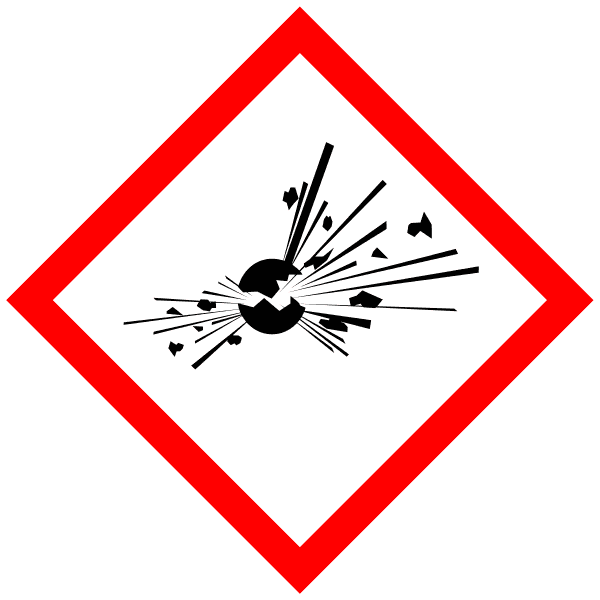
Hazard: Explosives, self-reactive substances, organic peroxides
The exploding bomb pictogram identifies substances and mixtures that can explode under the effect of a flame, heat, shock, or friction. This includes substances classified in hazard classes such as unstable explosives and self-reactive substances (Types A and B). Typical examples include nitroglycerin, TNT, and certain organic peroxides.
GHS02 — Flame
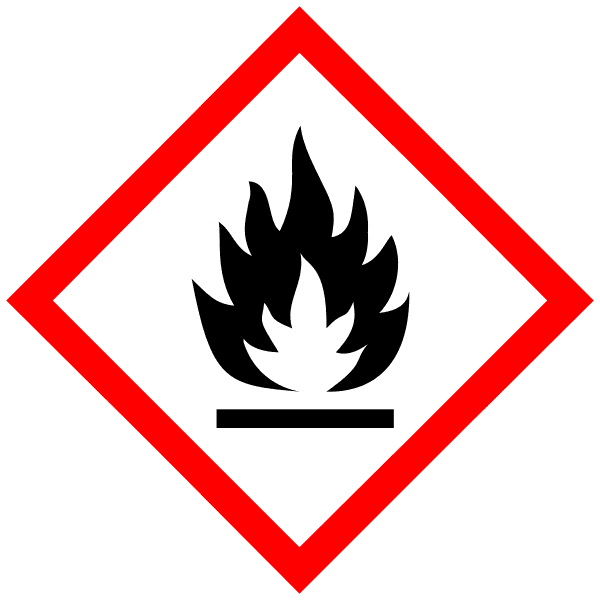
Hazard: Flammable gases, liquids, solids, aerosols; self-reactive substances; pyrophoric substances; self-heating substances; substances that emit flammable gas on contact with water
The flame is one of the most commonly encountered pictograms in occupational settings. It covers a broad range of flammability hazards. Common workplace substances carrying this pictogram include acetone, ethanol, toluene, and many organic solvents.
GHS03 — Flame Over Circle
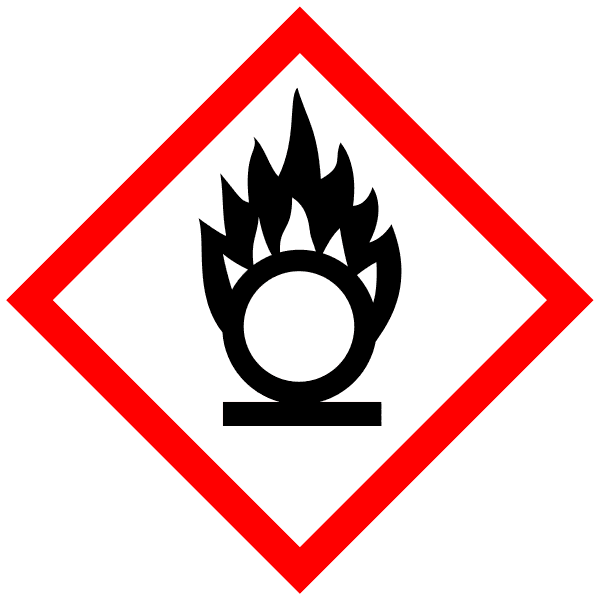
Hazard: Oxidizing gases, liquids, and solids
The flame over circle identifies substances that can cause or intensify fire by providing oxygen. Oxidizers do not necessarily burn themselves but can dramatically accelerate combustion of other materials. Examples include hydrogen peroxide (concentrated), potassium permanganate, and sodium hypochlorite.
GHS04 — Gas Cylinder
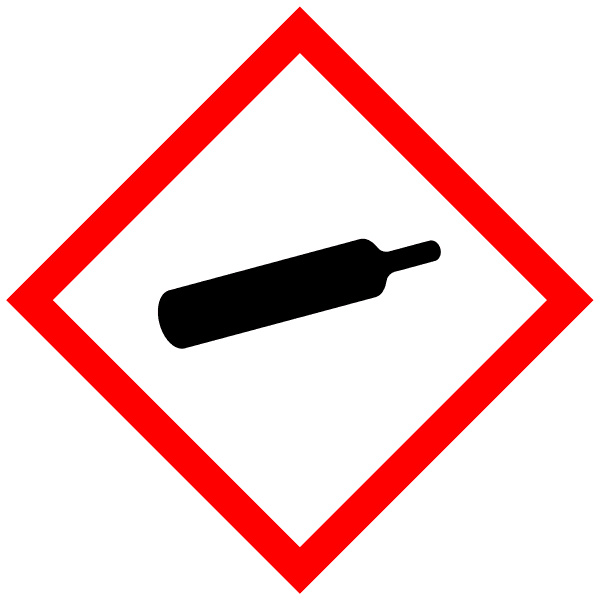
Hazard: Gases under pressure (compressed, liquefied, refrigerated liquefied, dissolved)
This pictogram indicates that a substance is a gas stored under pressure in a cylinder. The hazard is primarily physical — a ruptured cylinder can cause injury, and refrigerated liquefied gases can cause cryogenic burns. Examples include compressed nitrogen, argon, carbon dioxide, and acetylene.
GHS05 — Corrosion
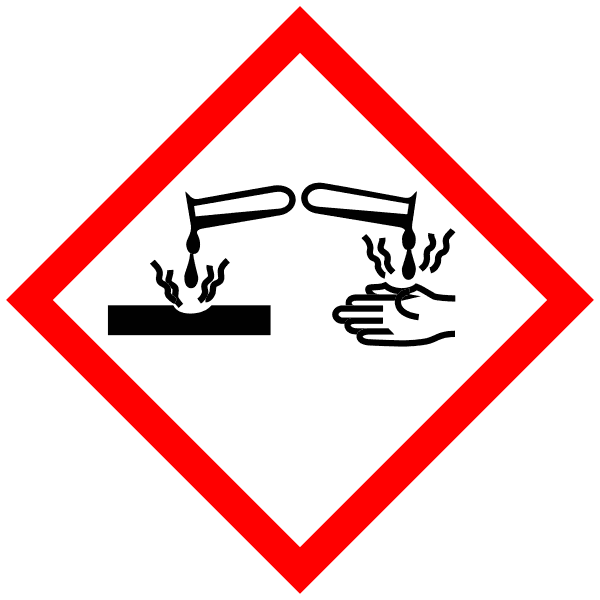
Hazard: Corrosive to skin, serious eye damage, corrosive to metals
The corrosion pictogram shows a substance attacking both a surface and a hand, indicating that the substance can cause severe skin burns, irreversible eye damage, or corrode metals. Common workplace examples include sulfuric acid, sodium hydroxide, and hydrochloric acid.
GHS06 — Skull and Crossbones
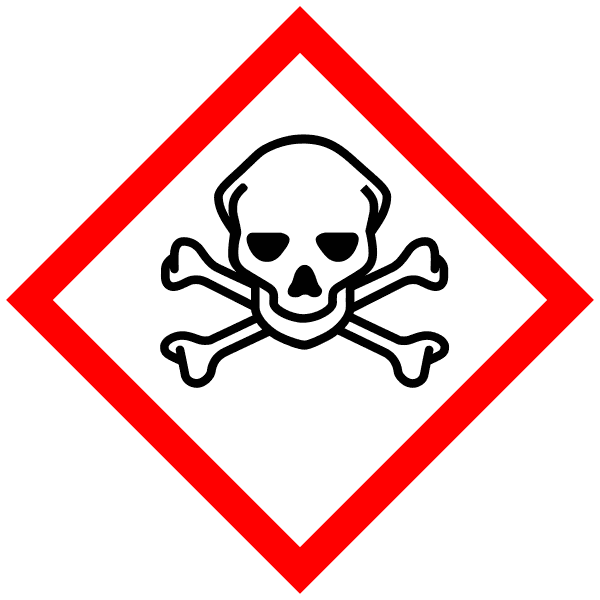
Hazard: Acute toxicity (Categories 1, 2, and 3 — fatal or toxic)
The skull and crossbones identifies substances that are acutely toxic and can cause death or serious harm after short-term exposure through ingestion, skin contact, or inhalation. This is the most severe acute toxicity classification. Examples include methanol (ingestion), hydrogen cyanide, and phosgene.
GHS07 — Exclamation Mark
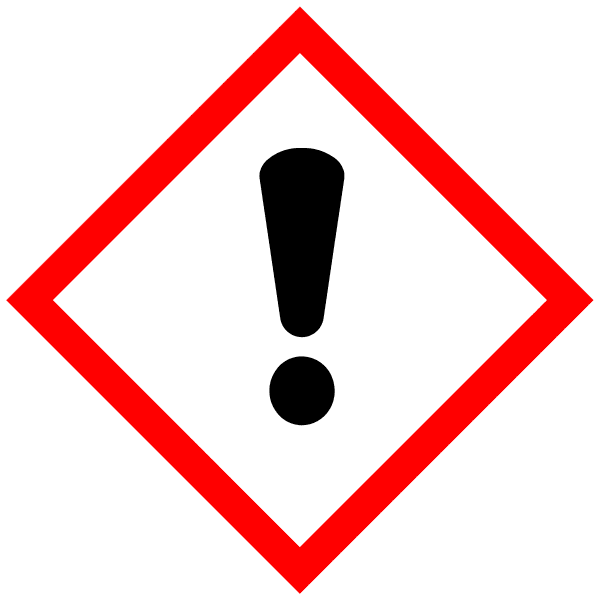
Hazard: Irritant (skin, eye), skin sensitizer, acute toxicity Category 4, narcotic effects, respiratory tract irritation, hazardous to the ozone layer
The exclamation mark covers a wide range of less severe health hazards. It is the most frequently assigned pictogram across classified substances. It includes skin and eye irritants, substances causing drowsiness or dizziness, and acute toxicity Category 4 (harmful). Many common workplace chemicals carry this pictogram.
GHS08 — Health Hazard (Silhouette)
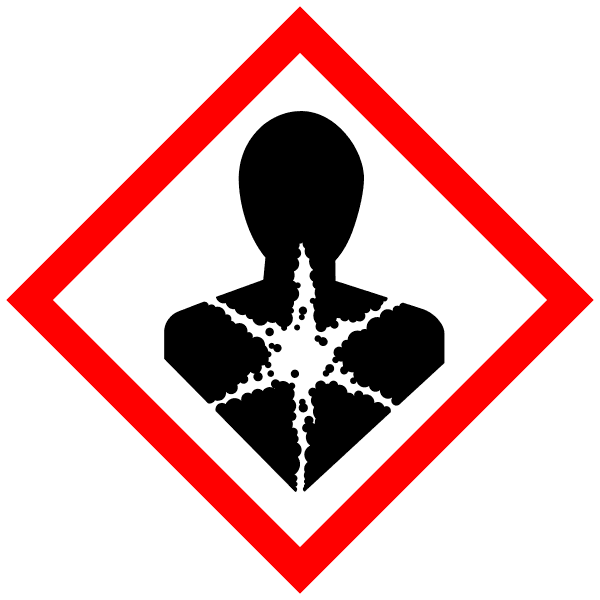
Hazard: Carcinogenicity, mutagenicity, reproductive toxicity, respiratory sensitization, specific target organ toxicity (single and repeated exposure), aspiration hazard
The health hazard silhouette is critically important for occupational hygienists. It identifies substances that cause serious long-term health effects, including cancer (H350/H351), genetic damage (H340/H341), reproductive harm (H360/H361), respiratory sensitization (H334), and organ damage from repeated exposure (H372/H373). These are the substances that require the most rigorous workplace controls. For more on CMR substances specifically, see our CMR substances guide.
GHS09 — Environment
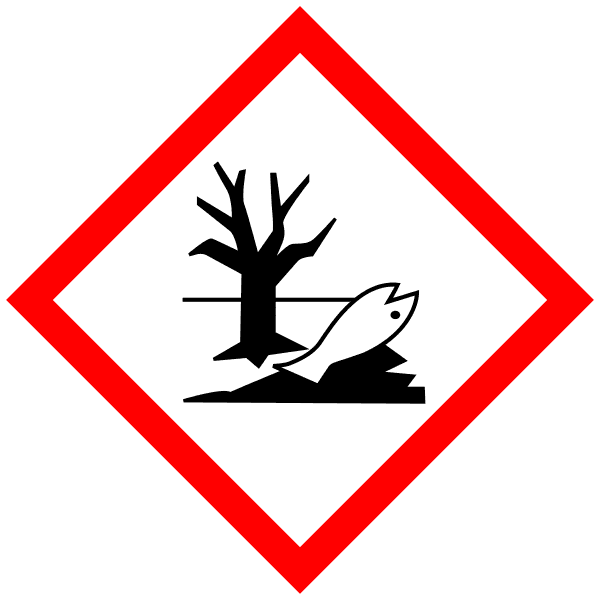
Hazard: Hazardous to the aquatic environment (acute and chronic)
The environment pictogram identifies substances toxic to aquatic organisms. While not directly an occupational health hazard, it is relevant for workplaces that handle or discharge chemicals and must comply with environmental regulations. Examples include many pesticides, heavy metal compounds, and certain organic solvents.
Connection to H-Statements
Each pictogram is linked to specific H-statements that provide precise, standardized descriptions of the hazard. While pictograms give a quick visual overview, H-statements provide the detail needed for risk assessment. For example, the GHS08 health hazard pictogram covers substances ranging from respiratory sensitizers (H334) to known carcinogens (H350) — the H-statement specifies exactly which hazard applies.
In DOHSBase, substance classifications are presented with both pictogram indicators and full H-statement data, giving occupational hygienists immediate access to the complete hazard profile.
Frequently Asked Questions
How many GHS pictograms are there?
There are 9 standardized GHS pictograms, numbered GHS01 to GHS09 under the EU CLP Regulation (EC 1272/2008). Each is displayed as a black symbol on a white background within a red diamond-shaped border.
The pictogram showing a black exclamation mark on a white background within a red diamond indicates a substance is…
This is GHS07 (the exclamation mark). It indicates one or more of the following hazards: skin and eye irritation, skin sensitization, acute toxicity Category 4 (harmful), narcotic effects (drowsiness or dizziness), respiratory tract irritation, or hazardous to the ozone layer.
What does the GHS09 pictogram mean?
GHS09 (environment) identifies substances hazardous to the aquatic environment. It applies to aquatic acute Category 1 and aquatic chronic Categories 1 and 2 under CLP. It is the only GHS pictogram that addresses environmental rather than human health hazards.
Does H412 (harmful to aquatic life with long-lasting effects) require a GHS pictogram?
No. H412 corresponds to aquatic chronic Category 3, which under CLP Annex V requires only the hazard statement — no pictogram and no signal word. GHS09 (environment) is required only for aquatic acute Category 1 and aquatic chronic Categories 1 and 2. H413 (aquatic chronic Category 4) likewise requires only the hazard statement.
What is the difference between GHS07 (exclamation mark) and GHS08 (health hazard silhouette)?
GHS07 covers less severe acute and local effects: irritation, harmful (Cat 4 acute toxicity), drowsiness or dizziness, respiratory tract irritation. GHS08 covers serious systemic and long-term effects: carcinogenicity, mutagenicity, reproductive toxicity (CMR), respiratory sensitization, specific target organ toxicity from repeated exposure, and aspiration hazard. A substance with a GHS08 classification typically requires the most rigorous workplace controls.
Can one substance carry multiple GHS pictograms?
Yes. A substance is assigned every pictogram corresponding to a hazard class it falls into. Many industrial solvents, for example, carry GHS02 (flammable), GHS07 (irritant) and GHS08 (organ toxicity) at the same time.
What replaced the old orange-and-black EU hazard symbols?
GHS pictograms replaced the symbols from the EU Dangerous Substances Directive (67/548/EEC). The transition was completed across the EU by 1 June 2017 under the CLP Regulation.
Which GHS pictogram identifies acute toxicity?
Two pictograms cover acute toxicity. GHS06 (skull and crossbones) is used for Categories 1, 2, and 3 — fatal or toxic. GHS07 (exclamation mark) is used for Category 4 — harmful.
GHS Classifications in DOHSBase
DOHSBase contains GHS/CLP classification data for over 200,000 substances, including both harmonized classifications from ECHA’s Annex VI to CLP and notified classifications from ECHA’s Classification and Labelling Inventory. The database displays applicable pictograms alongside H-statements, limit values, and other occupational health data in a single integrated view.
This integrated approach means that when looking up a substance, users immediately see not only what hazards the substance poses (via pictograms and H-statements) but also what quantitative exposure benchmarks exist — whether those are legal OELs, DNELs, or kick-off values.
Are hazard symbols the same as GHS pictograms?
In everyday use yes, formally no. The symbol is the black image itself: the flame, the skull, the exclamation mark. The pictogram is that symbol plus the red diamond border on a white background. CLP requires the pictogram, so a label always carries the complete diamond and never the bare symbol. If you are searching for “GHS symbols”, “chemical hazard symbols” or “hazardous pictograms”, the nine hazard pictograms above are what you want.